.png)


Vulnerability Scanning Products
VANS Vulnerability Reporting Assistant ToolDVM Vulnerability Scanner (Full Chinese Interface)Downloads
Product CatalogVulnerability Scanning Products
VANS Vulnerability Reporting Assistant ToolDVM Vulnerability Scanner (Full Chinese Interface)Downloads
Product CatalogSeptember 23, 2026
With cyberattacks and security threats showing no sign of slowing, enterprises need stronger protection than ever. The traditional perimeter-based model can no longer cope with modern threats, which is what gave rise to Zero Trust Architecture (ZTA). Zero Trust emphasizes 'Never Trust, Always Verify,' guarding not only against external intrusion but also against internal risk. It rests on three core mechanisms — identity validation, device validation, and trust inference — helping enterprises build a robust security framework against increasingly complex digital risks.
'Zero Trust' is not a single product but a comprehensive security strategy built on the principle of 'Trust no one, verify everyone' — whether users or devices are on the internal or external network, all must be verified. Based on the concept of 'Never Trust, Always Verify,' even users or devices that have already been authenticated must undergo strict identity verification before gaining access. This architecture breaks away from the traditional security model's complete trust in the internal network, ensuring enterprise data security and preventing unauthorized access and potential insider threats.
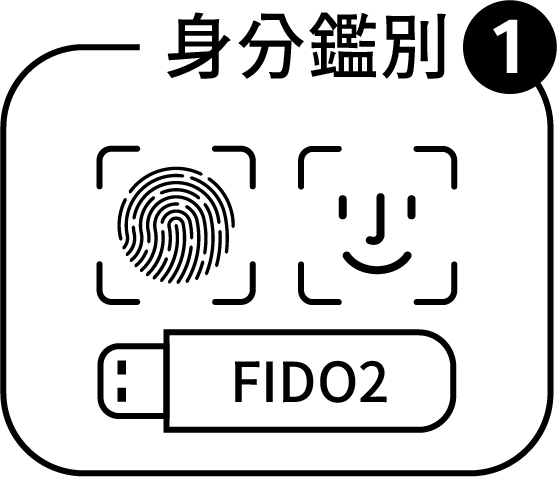
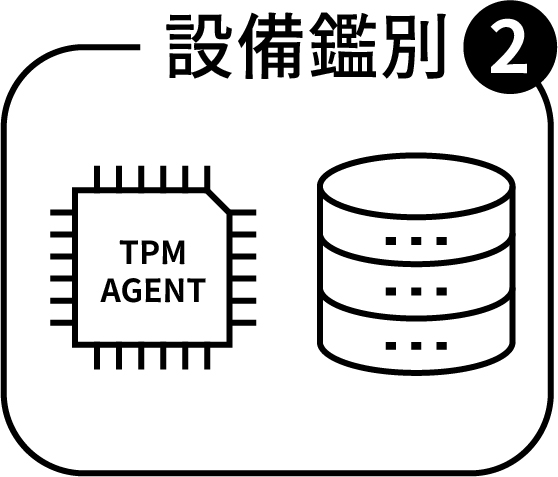
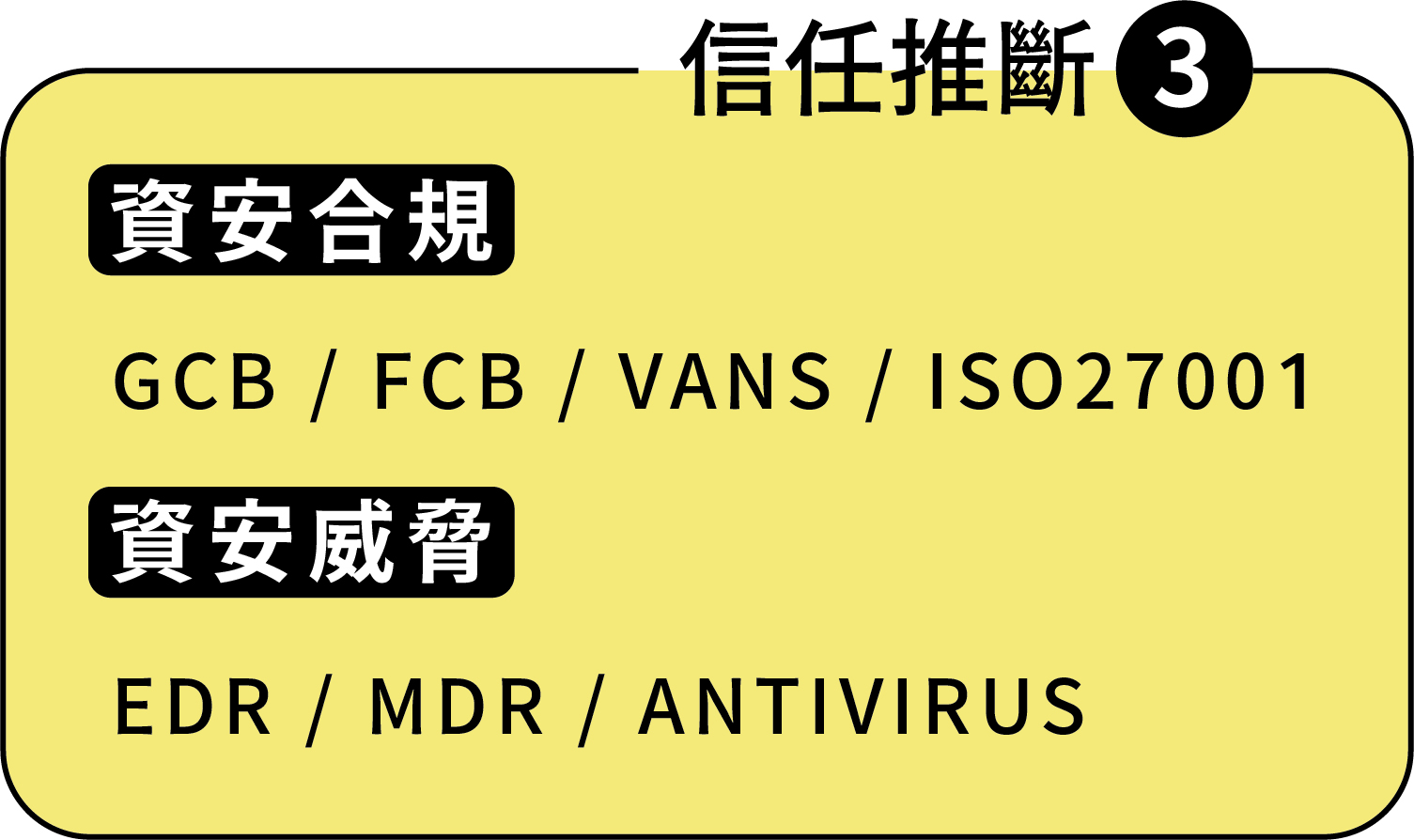
Zero Trust is the secure bridge connecting identity and device. Zero Trust is not just a technology but a security philosophy. As cyberattack methods continue to evolve, Zero Trust will become a vital part of future information security strategies. Enterprises should actively evaluate their needs and select suitable technical solutions to implement Zero Trust Architecture, safeguarding data security and business continuity through a three-stage security mechanism: identity validation, device validation, and trust inference. By embracing Zero Trust, companies can not only strengthen their security capabilities but also stay competitive in a rapidly changing market. Let's work together to build a safer digital environment and move toward a more secure digital future!